
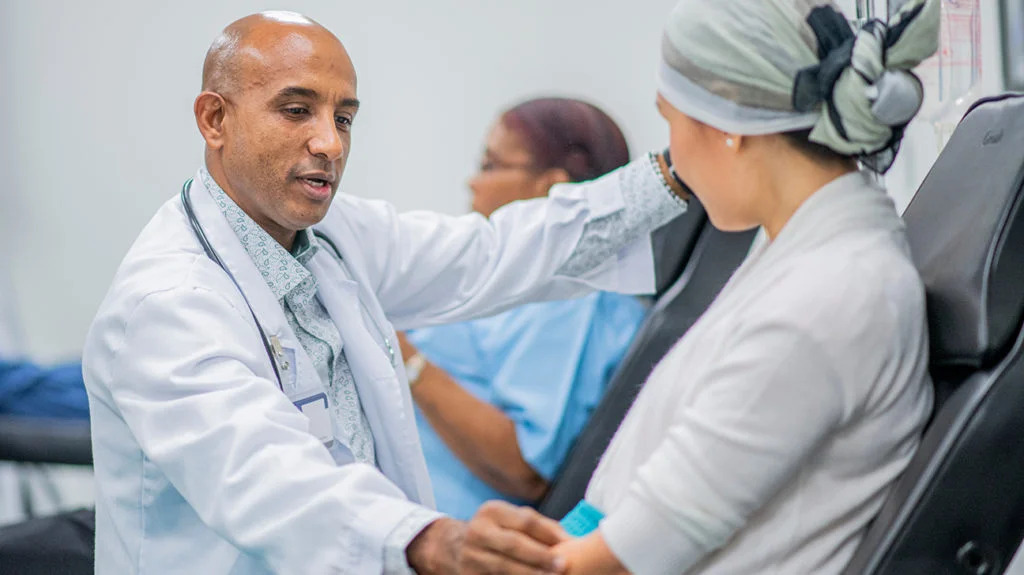
Knowing when to see an oncologist can be a critical part of managing your health. Oncologists are specialized doctors who diagnose and treat cancer, and recognizing the signs that you need their expertise is essential. If you experience unusual symptoms that persist, such as unexplained weight loss, persistent pain, or unusual lumps, it may be time to seek the help of a cancer specialist. Early detection and treatment can significantly improve outcomes for many kinds of cancer.
It’s also important to consult an oncologist if your primary care physician suggests additional tests or if you have a family history of cancer. In Houston, if you’re searching for oncology doctors near me, finding the right specialist can help guide you through the complexities of cancer care and treatment options available to you.
Recognizing Common Symptoms
Many symptoms can signal the need to see an oncologist. If you notice persistent fatigue, unexplained weight loss, or changes in your skin, it’s important to consult your doctor. Additionally, lumps or swelling that don’t go away, unusual bleeding, or digestive issues that last for an extended period can be red flags. These signs may indicate the presence of specific types of cancer, and addressing them early can lead to better treatment options and outcomes.
Understanding the Role of Oncologists
Oncologists play a vital role in diagnosing and treating cancer. There are various types of oncologists, including medical, surgical, and radiation oncologists, each specializing in different aspects of cancer care. Medical oncologists focus on chemotherapy and other systemic treatments, while surgical oncologists handle operations to remove tumors.
Radiation oncologists use radiation therapy to target and destroy cancer cells. Understanding these roles can help patients navigate their treatment plans more effectively.
The Importance of Early Detection
Early detection of cancer can greatly influence treatment success. If you have a family history of cancer or are experiencing concerning symptoms, it’s crucial to act quickly. Oncologists utilize advanced diagnostic tools, including laboratory tests, imaging test and biopsies, to accurately diagnose cancer. The sooner cancer is detected, the more treatment options are available, and the better the chances for a successful outcome.
Working with Your Healthcare Team
Your primary care physician is often the first step in cancer care. They can evaluate your symptoms and refer you to an oncologist if necessary. It’s essential to communicate openly with your healthcare team about any concerns you have. The cancer care team, including your oncologist and other specialists, will work together to create a comprehensive treatment plan tailored to your needs.
Exploring Treatment Options
Once you’ve seen an oncologist, they will discuss various treatment options based on your specific diagnosis. This could include chemotherapy, radiation therapy, or clinical trials for new treatments. It’s important to understand the potential side effects and benefits of each option. Oncologists will help you weigh the pros and cons and choose the best path forward for your health.
Conclusion

When to See an Oncologist
In summary, knowing when to see an oncologist is crucial for effective cancer management. If you’re experiencing persistent symptoms or have concerns about your health, consulting a specialist can provide clarity and options. If you’re looking for oncology doctors near me, consider reaching out to Medical Clinic of Houston for expert guidance and compassionate care.
We are here to support you through your cancer journey. Call us for more information on how we can assist you and your family in navigating treatment options.